
THANK YOU FOR SUBSCRIBING
× 
Startup City Weekly Brief
Be first to read the latest tech news, Industry Leader's Insights, and CIO interviews of medium and large enterprises exclusively from Startup City

cippe Shanghai 2026, Gathering for Petrochemical and Chemical Industry in China
2026 China International Petrochemical Technology and Equipment Exhibition (cippe Shanghai) will take place on June 9-11, 2026, at Shanghai New International Expo Center.
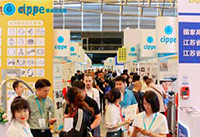 cippe Shanghai has been held successfully for 17 years. In 2026, with an exhibition space around 70,000 square meters, it is expected to convene about 1,000 exhibitors from 12 countries and regions including USA, Italy, Russia, Germany, France, Japan, Singapore, etc., and welcome 100,000 person-time visitors from the world, including Russia, Malaysia, South Korea, Iran, India, United Arab Emirates, Philippines, Kazakhstan, Japan, Thailand, Türkiye, Singapore, etc.
Exhibit Scopes
• Refinery Technology and Equipment
• Petrochemical & Chemical Plant Device & Equipment
• Petrochemical & Chemical Process and Technology
• DCS, PLC Control System
• Fluid Machinery and Process Control
• Industrial Explosion-proof
• Automation, Instrumentation
• Sealing, Pipes & Fittings
• Petrochemical Products and Advanced Materials
• Scientific Research and Laboratory Equipment
• Communication and Information System
• Electrical & Electronic Equipment, Cable and Wire
• Storage, Transportation, Pressure Vessel and Packaging
• Maintenance and Management
• Fuel and Lubrication
• Heat Transfer, Refrigeration, Ventilation
• Environmental Protection & Energy Conversation
• Separation, Drying, Crushing, Mixing
• Power Machinery including Generator Set
• Industrial Safety Protection and Labor Protection
• Boiler, Pressure Vessels
• Industrial Rinsing and Anti-corrosion
• Extraction Purification, Evaporation Crystallization
• Auxiliary and Other Equipment
International Promotion & Matchmaking
Consulates in China, international petrochemical and chemical industry associations, refinery / petrochemical / chemical complex, engineering companies are welcomed to join in, share on topics such as the development trends and favorable policies of the local, experience in green and low-carbon transition, investment and trade opportunities, market /supplier access requirements, tender plans, etc. Building a platform for exchanges between Chinese enterprises and overseas markets, promote mutually beneficial cooperation and common development.
cippe Petrochemical Industry Forum
As the primary forum of cippe Shanghai, it is committed to provide a professional, high-end and innovation platform, promoting technological innovations and business cooperation in the industry.
Industry experts, scholars, technicians, and representatives from industry enterprises will be invited to share on topics such as industrial reform, technological innovation, green transition, application of new technologies in the refining and chemical industry, improvement in new quality productivity, etc.
cippe Shanghai has been held successfully for 17 years. In 2026, with an exhibition space around 70,000 square meters, it is expected to convene about 1,000 exhibitors from 12 countries and regions including USA, Italy, Russia, Germany, France, Japan, Singapore, etc., and welcome 100,000 person-time visitors from the world, including Russia, Malaysia, South Korea, Iran, India, United Arab Emirates, Philippines, Kazakhstan, Japan, Thailand, Türkiye, Singapore, etc.
Exhibit Scopes
• Refinery Technology and Equipment
• Petrochemical & Chemical Plant Device & Equipment
• Petrochemical & Chemical Process and Technology
• DCS, PLC Control System
• Fluid Machinery and Process Control
• Industrial Explosion-proof
• Automation, Instrumentation
• Sealing, Pipes & Fittings
• Petrochemical Products and Advanced Materials
• Scientific Research and Laboratory Equipment
• Communication and Information System
• Electrical & Electronic Equipment, Cable and Wire
• Storage, Transportation, Pressure Vessel and Packaging
• Maintenance and Management
• Fuel and Lubrication
• Heat Transfer, Refrigeration, Ventilation
• Environmental Protection & Energy Conversation
• Separation, Drying, Crushing, Mixing
• Power Machinery including Generator Set
• Industrial Safety Protection and Labor Protection
• Boiler, Pressure Vessels
• Industrial Rinsing and Anti-corrosion
• Extraction Purification, Evaporation Crystallization
• Auxiliary and Other Equipment
International Promotion & Matchmaking
Consulates in China, international petrochemical and chemical industry associations, refinery / petrochemical / chemical complex, engineering companies are welcomed to join in, share on topics such as the development trends and favorable policies of the local, experience in green and low-carbon transition, investment and trade opportunities, market /supplier access requirements, tender plans, etc. Building a platform for exchanges between Chinese enterprises and overseas markets, promote mutually beneficial cooperation and common development.
cippe Petrochemical Industry Forum
As the primary forum of cippe Shanghai, it is committed to provide a professional, high-end and innovation platform, promoting technological innovations and business cooperation in the industry.
Industry experts, scholars, technicians, and representatives from industry enterprises will be invited to share on topics such as industrial reform, technological innovation, green transition, application of new technologies in the refining and chemical industry, improvement in new quality productivity, etc.
cippe Shanghai has been held successfully for 17 years. In 2026, with an exhibition space around 70,000 square meters, it is expected to convene about 1,000 exhibitors from 12 countries and regions including USA, Italy, Russia, Germany, France, Japan, Singapore, etc., and welcome 100,000 person-time visitors from the world, including Russia, Malaysia, South Korea, Iran, India, United Arab Emirates, Philippines, Kazakhstan, Japan, Thailand, Türkiye, Singapore, etc.
Exhibit Scopes
• Refinery Technology and Equipment
• Petrochemical & Chemical Plant Device & Equipment
• Petrochemical & Chemical Process and Technology
• DCS, PLC Control System
• Fluid Machinery and Process Control
• Industrial Explosion-proof
• Automation, Instrumentation
• Sealing, Pipes & Fittings
• Petrochemical Products and Advanced Materials
• Scientific Research and Laboratory Equipment
• Communication and Information System
• Electrical & Electronic Equipment, Cable and Wire
• Storage, Transportation, Pressure Vessel and Packaging
• Maintenance and Management
• Fuel and Lubrication
• Heat Transfer, Refrigeration, Ventilation
• Environmental Protection & Energy Conversation
• Separation, Drying, Crushing, Mixing
• Power Machinery including Generator Set
• Industrial Safety Protection and Labor Protection
• Boiler, Pressure Vessels
• Industrial Rinsing and Anti-corrosion
• Extraction Purification, Evaporation Crystallization
• Auxiliary and Other Equipment
International Promotion & Matchmaking
Consulates in China, international petrochemical and chemical industry associations, refinery / petrochemical / chemical complex, engineering companies are welcomed to join in, share on topics such as the development trends and favorable policies of the local, experience in green and low-carbon transition, investment and trade opportunities, market /supplier access requirements, tender plans, etc. Building a platform for exchanges between Chinese enterprises and overseas markets, promote mutually beneficial cooperation and common development.
cippe Petrochemical Industry Forum
As the primary forum of cippe Shanghai, it is committed to provide a professional, high-end and innovation platform, promoting technological innovations and business cooperation in the industry.
Industry experts, scholars, technicians, and representatives from industry enterprises will be invited to share on topics such as industrial reform, technological innovation, green transition, application of new technologies in the refining and chemical industry, improvement in new quality productivity, etc.More in News
Japan, which has historically been characterized by tradition and large corporations, is changing as a new generation of consulting startups infuses its traditional industries with new ideas, adaptability, and technological innovation. For many years, large consulting companies have dominated Japan's corporate advice market, but their conventional, hierarchical models are finding it more difficult to adapt to the changing needs of a globalized, digital-first economy. Here, consulting companies are making a name for themselves by providing specialized knowledge, customized solutions, and a readiness to question the existing quo.
Factors Driving the Rise of Consulting Startups
Consulting startups built on digital expertise are positioned to drive the urgent digital transformation needed across traditional manufacturing, finance, and logistics industries. With advanced capabilities in artificial intelligence (AI), data analytics, cloud computing, and the Internet of Things (IoT), these startups offer highly specialized support that larger, more traditional consulting firms may not provide as efficiently.
Additionally, the agility and innovative mindset that characterize many startups provide a much-needed counterbalance to established Japanese corporations' often slow-moving, risk-averse cultures. Startups can introduce lean methodologies, encourage rapid prototyping, and accelerate product or service development cycles, helping traditional companies stay competitive in an increasingly fast-paced market. Their flat organizational structures and iterative approaches enable them to deliver creative solutions more quickly and responsively.
Another factor contributing to their rise is the startups’ tendency to focus on niche sectors, allowing them to develop deep domain expertise. This specialization enables them to offer highly customized solutions and navigate sector-specific challenges with greater precision. For example, a startup dedicated to fintech can offer targeted regulatory compliance strategies and integrate emerging technologies such as blockchain, providing value beyond what broad-spectrum consultancies might deliver.
Cost-effectiveness also plays a critical role. Startups typically operate with lower overheads than large consulting firms, enabling them to provide services at more accessible price points. This makes high-quality consulting support attainable for small and medium-sized enterprises (SMEs) previously excluded due to budget constraints, thereby democratizing access to strategic expertise.
Government initiatives are actively nurturing Japan’s startup ecosystem. The Japanese government fosters an environment where consulting startups can flourish through deregulation, targeted funding programs, and establishment innovation hubs. Institutions like the Japan External Trade Organization (JETRO) further bolster this momentum by facilitating connections between startups, clients, and strategic partners. Together, these factors are reshaping the consulting landscape in Japan and positioning startups as vital drivers of innovation and transformation.
Reshaping Traditional Industries
Consulting startups significantly impact several traditional industries in Japan, driving innovation and helping established players navigate digital transformation. In the manufacturing sector, startups support adopting smart factory technologies, AI-powered quality control systems, and data-driven supply chain optimization. Fintech startups collaborate with traditional banks and insurance providers in the financial sector to develop digital payment platforms, deliver personalized customer experiences, and enhance risk management through artificial intelligence and machine learning.
Retailers also benefit from the expertise of consulting startups, which assist in implementing e-commerce strategies, omnichannel customer engagement, and consumer analytics to tailor marketing efforts. These services are particularly critical as Japan's aging population increasingly turns to online shopping. In healthcare, med tech startups are partnering with hospitals and medical institutions to deploy telemedicine platforms, improve patient data management, and use AI for diagnostics and drug discovery—essential innovations in light of the country’s aging demographics and mounting pressure on healthcare infrastructure. In agriculture, agri-tech startups are leveraging IoT sensors and drone technologies to introduce precision farming practices, optimize resource use, and enhance crop yields—addressing persistent challenges such as workforce shortages and limited arable land. These startups are reshaping traditional industries and enabling sustainable growth across Japan’s economic landscape.
As digital transformation accelerates and the need for innovation becomes more pressing, their specialized expertise and agile approach will be increasingly valued. Collaboration between startups and established corporations, facilitated by government initiatives and a growing understanding of the mutual benefits, will drive further disruption and modernization across traditional Japanese industries. The interplay between tradition and innovation, fueled by the energy of these consulting start-ups, is setting the stage for a new era of competitiveness and growth in Japan's economy. ...Read more
The maturation of the digital asset ecosystem is changing how blockchain startups approach fundraising, with investors increasingly examining technology, business models, regulatory considerations, and long-term utility alongside growth potential. Against this backdrop, venture network VC Vault is co-hosting the Founders & Funders Forum, an initiative designed to connect early-stage and Series A Web3 companies with venture capital firms, family offices, and institutional capital providers.
The forum is structured around the challenges involved in securing strategically aligned funding for decentralized technology businesses. Blockchain startups often operate across complex environments involving token economics, decentralized governance, cybersecurity, and regulations that can differ across jurisdictions. The event aims to create opportunities for founders and investors to discuss these considerations directly while evaluating potential commercial and strategic relationships. The forum's stated focus on technical feasibility, security, and operational readiness reflects the increasing importance of these factors in institutional conversations around Web3 ventures.
Rather than following a conventional conference format, the initiative emphasizes curated matchmaking, speed networking, private investor discussions, and tokenomics-focused sessions. The structure is intended to support conversations between founders at different stages of development, from startups seeking early validation and seed capital to Series A companies looking to expand their commercial operations. Curated participation is designed to connect companies with investors and strategic partners whose areas of interest align with specific technologies and business models.
Coin News Span is supporting the initiative as its media partner, bringing coverage of blockchain developments, digital assets, and regulatory trends to the forum. Its involvement provides an additional channel for discussing projects and market developments emerging from the event while placing participating companies within the wider digital asset ecosystem.
The forum's ecosystem extends beyond traditional venture funding. Participants can engage with organizations and specialists involved in blockchain legal services, tokenomics, custody, liquidity, ecosystem development, and other infrastructure requirements. For founders preparing for institutional growth, these capabilities can be relevant to addressing operational and compliance requirements alongside fundraising.
The broader investment environment also illustrates the changing dynamics of blockchain venture capital. Recent research from Galaxy Research reported that crypto and blockchain startups attracted approximately $5.6 billion across 384 venture deals during the second quarter of 2026, with later-stage companies accounting for most of the capital invested during the period.
As Web3 companies mature, connections between entrepreneurs, institutional investors, and specialized infrastructure providers can play an important role in developing sustainable technology businesses. The Founders & Funders Forum provides a structured setting for those stakeholders to explore funding requirements, technology development, regulatory considerations, and potential partnerships within the decentralized technology ecosystem.
Startup City covers emerging businesses, entrepreneurial ecosystems, and technologies creating new opportunities across global markets. Through coverage of initiatives such as the Founders & Funders Forum, the publication examines how startups, investors, and technology partners are building the infrastructure and relationships required to scale emerging technology ventures. ...Read more
The IT industry continuously changes, giving entrepreneurs many opportunities to create innovative products and build on current business models. Numerous tech companies have ascended to the pinnacle of global value rankings, primarily due to their roles as foundational hardware providers for the AI revolution. The product lines of nearly all major tech firms are fundamentally dependent on computing.
Edge Computing:
Edge computing refers to processing data in proximity to its source rather than depending on centralized data centers. This methodology minimizes latency and bandwidth consumption while improving data privacy. With the proliferation of IoT devices, the need for edge computing solutions is anticipated to rise.
The inherently decentralized nature of this domain may foster an environment where numerous startups can capture portions of the market by offering specialized and niche solutions rather than allowing a single startup to dominate. The characteristic renders investments in the sector, at least theoretically, less precarious, which is encouraging for early-stage startups needing more support from significant computing corporations.
Neuromorphic Computing:
Neuromorphic computing seeks to re-create the human brain's neural architecture and operational mechanisms, thereby facilitating the development of more efficient and intelligent computing systems. This innovative approach promises to transform machine learning and robotics by offering power-efficient and adaptable solutions. Startups may concentrate on creating neuromorphic chips, software applications, or comprehensive systems.
Serverless Computing:
Serverless computing allows developers to create and operate applications without overseeing the underlying infrastructure. This methodology can decrease operational expenses and streamline deployment, making it a compelling choice for numerous enterprises. In this context, Pinion provides startups with advanced tools and platforms to implement serverless architectures efficiently, enhancing both deployment speed and operational management.
Startups have the opportunity to provide serverless platforms, tools, or services that assist businesses in embracing this model.
CMA delivers Othello Connect, a modular SaaS system, optimizing manufacturing workflows and back-office operations for SMEs.
Augmented Reality (AR) Cloud:
The AR Cloud is a three-dimensional digital representation of the physical world, allowing for collaborative augmented reality experiences among various devices and users. This innovative technology promises to revolutionize the retail, gaming, real estate, and navigation sectors by offering engaging and interactive experiences.
Entrepreneurs have the opportunity to create AR Cloud platforms, as well as content and tools that support the development and dissemination of augmented reality experiences.
Federated Learning:
Federated learning represents a collaborative approach to machine learning that facilitates the training of algorithms across various decentralized devices or servers while maintaining the confidentiality of raw data. This technique significantly improves privacy and security, allowing extensive, distributed datasets to be utilized.
Startups have the opportunity to create federated learning frameworks, tools, or applications tailored to sectors that manage confidential information, such as healthcare and finance. ...Read more
Texas is becoming known as a rising leader in the digital industry because of its rich cultural heritage, historical significance, and expansive landscapes. Numerous cities in the state are attracting startups, entrepreneurs, and large technology companies, making them crucial in the global tech scene. This change is significantly altering social ties, employment prospects, and community values, highlighting the area's rapid development and growing appeal as a center of technology.
Despite having a significant military presence, the city has emerged as a leader in telecommunications and cybersecurity. Texas has cemented itself as a significant player in the global IT sector, with its towns acting as centers for specialized industries like cybersecurity, energy technology, and medical innovation.
Cultural changes have resulted from the expansion of the IT industry, especially in the way residents view life and work. Texas’s entrepreneurial spirit and historic principles of self-reliance and tenacity have created a vibrant commercial and innovation climate. The tech industry’s emphasis on work-life balance has further impacted the state’s culture. Many companies provide remote work options and flexible hours, allowing inhabitants to engage in personal interests, explore side projects, and spend more time with family.
Educational institutions have increased their technology-focused programs in response to the rapidly expanding tech industry, training students for professions in data science, engineering, and software development. Students from all across the nation and abroad have been drawn to this surge in tech-driven education, which has helped to create a growing, diverse workforce.
With coworking spaces, incubators, and events that unite investors and entrepreneurs, the state’s startup environment has also fostered a collaborative culture. This environment encourages creativity, collaboration, and idea sharing, which will help produce the forthcoming crop of tech innovators.
Although the internet boom has boosted the economy and created job opportunities, it has also brought along problems, including increased living expenses, traffic, and housing costs. Local governments are now concentrating on sustainable growth methods to solve these problems and guarantee that everyone in the community can profit from the digital industry.
As Texas evolves, the tech industry’s impact on the state’s culture will only grow. Combining innovation with the state’s long-standing values will create a distinct and dynamic cultural identity.
...Read more
